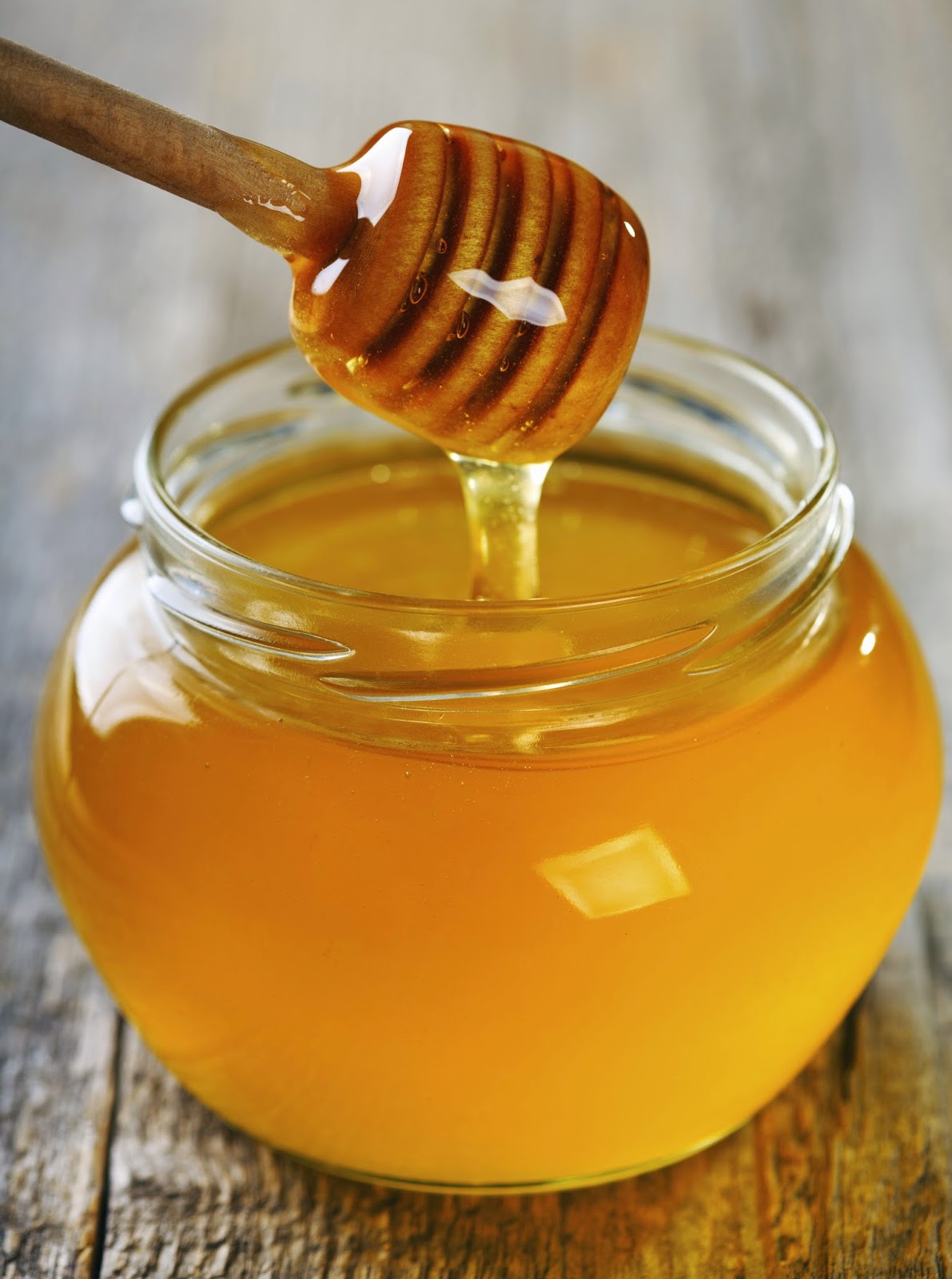
Honey is an all-natural and readily available option with many possible health benefits. Some evidence suggests that honey helps reduce the risk of heart disease and diabetes and supports a healthy gut. Other research has found that honey might be a good alternative to antibiotics. Honey comes from nectar, which flowers produce to attract bees to them. Bees suck the nectar from flowers and store it in their stomachs. Later, bees will pass the nectar to other bees through their
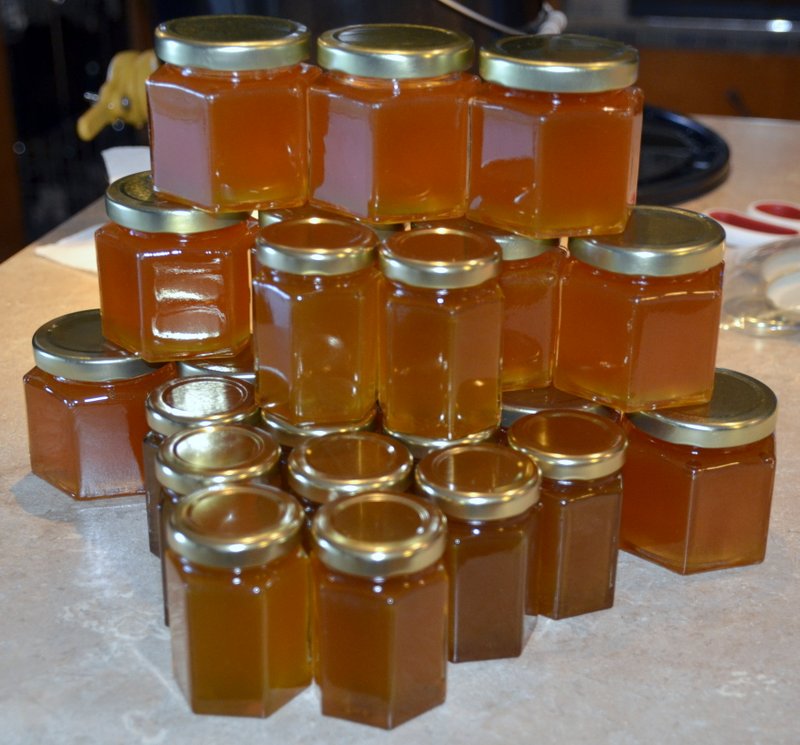
In my opinion extracting or harvesting honey is a best benefit of beekeeping. Maintaining your hives throughout the year brings a payoff in the form of sweet honey that you can enjoy at home, give as gifts, or package and sell at the farm stand. The honey extraction process may seem a bit overwhelming at first but I’ll explain our method. What tools do you need to extract honey The honey extraction process involves multiple steps,

If you know how to store honey correctly, you can enjoy for years. It’s also one of the most shelf stable foods. Beekeepers and food safety experts learn where to store honey, how long it lasts, and how to keep it tasting sweet for as long as possible. So, How Long Does Honey Last Thanks to its high concentration of sugars, honey is one of the most stable natural foods. Honey is the only food
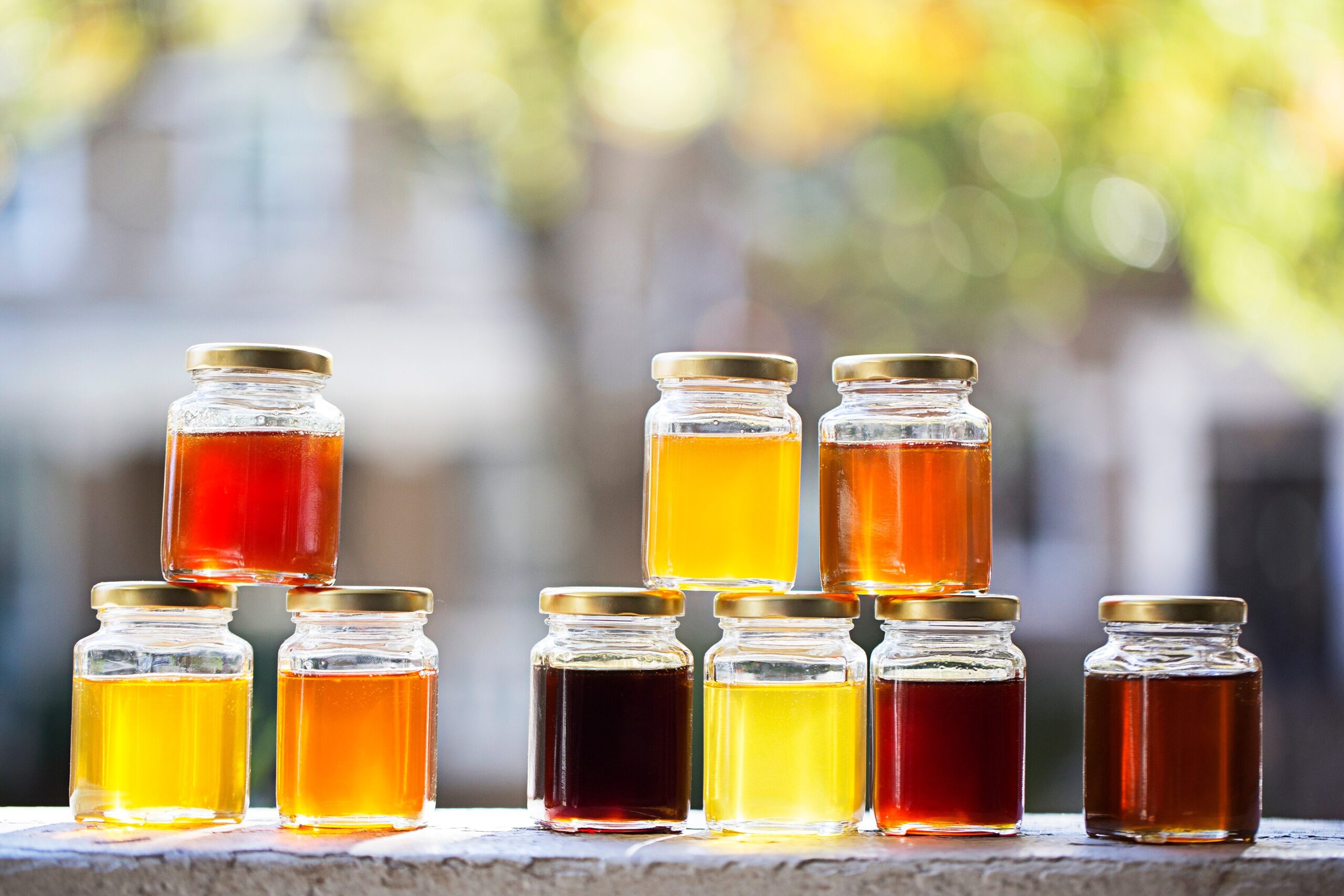
Honey is honey, you say? Well yes and no. If you’re stirring it into a hot, highly flavored tea, most flavor difference between types of honey will be lost, true. Yet, bees that feed on specific plants make honey with truly unique flavors. To taste the difference, try different kinds of honey spread side by side on plain toast or biscuit. Or, do what professional tasters do and try some all by itself spooned right out of